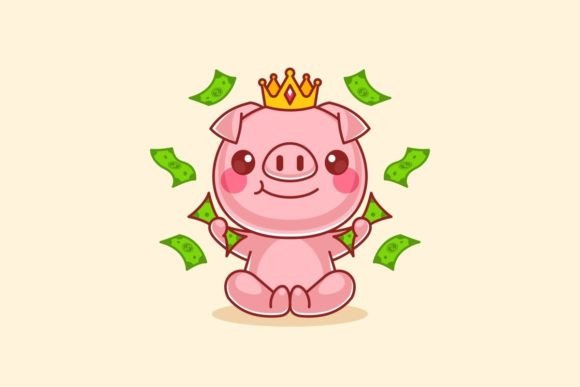
Cute Pig Wearing Bunny Headband: A Playful Design Asset
Discovering a charming and versatile graphic element like a cute pig wearing a bunny headband can be the spark that elevates a creative project from ordinary to memorable. This delightful vector illustration combines whimsy with professional polish, offering designers a unique asset for projects that demand personality and warmth. Its appeal lies in its ability to convey approachability and creativity instantly, making it a powerful tool in visual communication.
In modern graphic design, the right imagery does more than decorate—it communicates. A playful character like this pig-bunny hybrid can soften a brand's tone, inject fun into a user interface, or create an emotional connection with an audience. Its vector format ensures infinite scalability, meaning it looks crisp on a business card or a billboard. For designers focused on brand identity or logo design, such an element can become a recognizable mascot that embodies a brand's friendly and innovative spirit.
Practical Applications Across Design Disciplines
The utility of a well-crafted graphic extends across numerous fields. This asset is particularly effective in contexts where engagement and relatability are key goals.
- Branding and Marketing: Use it as a central mascot for logos, business cards, and letterheads to build a cohesive and approachable brand identity. It's ideal for companies in pet care, children's products, food industry, or any service wanting to project a friendly image.
- Digital and Social Media: Incorporate the graphic into social media posts, stories, and ads to boost engagement. Its quirky charm makes content more shareable and can significantly increase click-through rates in digital marketing campaigns.
- Web and UI Design: As an illustration within a website or app, it can guide users, celebrate achievements (like a "task complete" screen), or simply make an interface feel more human and enjoyable, enhancing overall UX design.
- Packaging and Merchandise: On product packaging, stickers, or merchandise, this design adds a tactile, collectible quality that can increase perceived value and customer delight.
- Editorial and Presentation Design: In reports, presentations, or blog graphics, it breaks the monotony of text-heavy content, improves visual hierarchy, and makes information more digestible.
Integrating Playful Elements with Professional Strategy
While whimsical, using such an asset effectively requires strategic thought. The key is to ensure it aligns with your project's goals and audience expectations. A cute pig wearing a bunny headband might be perfect for a startup's playful culture but less suited for a corporate law firm's formal documentation. Always consider the context.
When selecting and using this type of creative asset, keep these professional considerations in mind:
- Consistency is Crucial: Ensure the style, color palette, and line weight of the illustration match your existing brand identity or design system. Inconsistency can confuse your audience and dilute your message.
- Purpose Over Ornamentation: Every element should serve a function. Does this graphic clarify a message, evoke a specific emotion, or guide the user's eye? Avoid adding it merely as decoration.
- Scalability and Flexibility: Because it's a vector, you can resize it without loss of quality. However, test its legibility at various sizes, especially for print design or small UI design components.
- Audience Connection: Understand if your target audience will respond positively to this style of illustration. It excels in markets targeting families, pet owners, or audiences that appreciate lighthearted, modern aesthetics.
Ultimately, the most effective designs balance creativity with clarity. A charming graphic like this pig-bunny illustration is more than just a cute image; it's a communication tool that, when used thoughtfully, can strengthen visual storytelling, enhance user engagement, and make your creative projects stand out. By integrating such quality creative assets