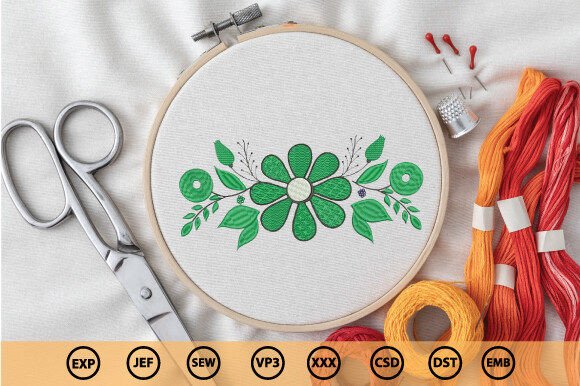
Floral Motif: The Timeless Design Element for Modern Branding
In the ever-evolving landscape of graphic design, certain elements possess a timeless power to connect, communicate, and captivate. The Floral Motif is one such element, offering a versatile and universally appealing visual language that can elevate any creative project. Far from being a simple decorative afterthought, a well-chosen floral pattern can become a cornerstone of a sophisticated brand identity, infusing designs with personality, warmth, and a touch of organic elegance that resonates deeply with audiences.
The Strategic Value of Organic Forms in Visual Design
From a graphic design perspective, floral elements are not merely pretty pictures; they are strategic tools. Their inherent curves and natural structures can soften a corporate aesthetic, guide the viewer's eye through a layout, and create immediate emotional associations—be it freshness, growth, luxury, or nostalgia. This makes them incredibly effective for visual communication, helping to convey complex brand values without a single word of text.
Core Applications Across Creative Projects
The true strength of a quality floral design asset lies in its adaptability. It can serve as a subtle accent or a bold statement, seamlessly integrating into a wide array of applications:
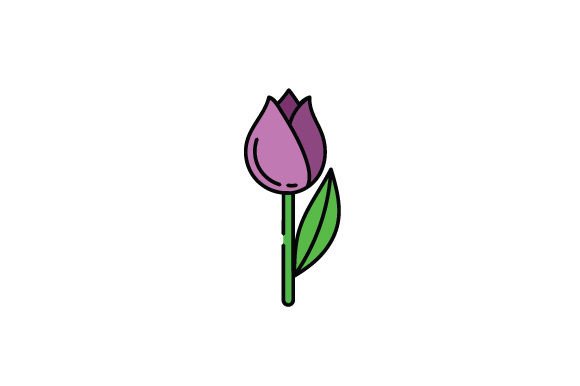
- Branding and Logo Design: A stylized floral icon can make a logo memorable and distinctive, particularly in industries like wellness, beauty, fashion, and hospitality. It helps build a cohesive brand identity that feels both professional and approachable.
- Marketing and Social Media Graphics: Floral patterns are perfect for creating engaging backgrounds, borders, or focal points in digital ads, Instagram stories, and Pinterest graphics. They add visual interest and stop the scroll, enhancing digital marketing efforts.
- Packaging and Print Design: On product packaging, a floral motif instantly communicates quality and artisanal care. It transforms a simple box or label into a premium design experience, influencing purchase decisions at the point of sale.
- Editorial and Web Design: In magazines, brochures, or website layouts, florals can establish a beautiful visual hierarchy, separating sections, highlighting key information, or adding a thematic backdrop that enriches the reader's journey.
Integrating Florals with Cohesive Design Systems
Successful integration of any design asset requires thoughtful consideration of the existing system. A floral motif should complement, not clash with, your color palette and typography. For a modern aesthetic, consider using florals in a limited, intentional way—perhaps as a monochromatic line art element or in a muted, desaturated colorway. This approach maintains professional presentation while adding a layer of sophisticated charm.
When evaluating a floral design resource, consider its scalability and file format versatility. A high-quality vector or embroidery file that can be resized without loss of detail is invaluable for maintaining consistency across print design and digital content. Furthermore, a design that comes with multiple formats ensures compatibility across your entire design workflow, from Adobe Illustrator to Canva to embroidery machines for tangible products.
Practical Tips for Selection and Use
To maximize impact, align the style of the floral motif with your project's goals and audience expectations.
- Audience Alignment: A delicate, intricate pattern may appeal to a luxury or boutique audience, while a bold, graphic floral might suit a younger, more dynamic market. Always let your target demographic guide your design inspiration.
- Contextual Harmony: Ensure the motif's level of detail suits its application. A highly detailed embroidery design might be perfect for a hero image on a website but could become visual noise when reduced to a social media icon. Test its readability at various scales.
- Compositional Balance: Use the organic lines of the florals to create movement and balance within your layout. They can be used to frame calls-to-action in UI design or to soften the hard edges of text-heavy editorial layouts.
Ultimately, the thoughtful selection and application of a Floral Motif exemplifies how quality creative assets can profoundly improve both the aesthetics and the communicative power of a design. By moving beyond the superficial and treating these elements as integral components of a visual design strategy, creators can craft experiences that are not only beautiful but also meaningful and effective, strengthening brand perception and fostering a deeper connection with the audience.