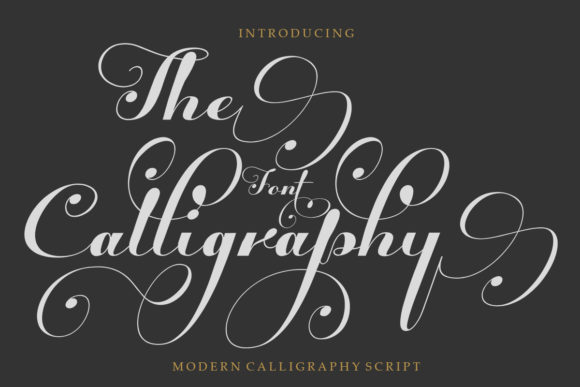
The Calligraphy: Elevating Design with Timeless Elegance
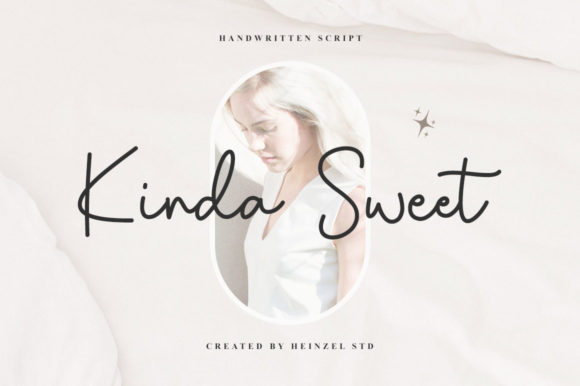
In the realm of graphic design, typography is the silent ambassador of your brand's voice, and choosing the right script can transform a project from ordinary to extraordinary. The Calligraphy emerges as a standout resource, blending the timeless beauty of classic calligraphy with a contemporary atmosphere and impeccable form. This elegant script font, with its balanced and varied strokes—not too thin, not too thick—offers designers a versatile tool to enhance visual storytelling across countless creative applications.
Understanding The Calligraphy's Design Philosophy
The Calligraphy is more than just a font; it's a carefully crafted typographic solution inspired by centuries of penmanship artistry while embracing modern design principles. Its PUA encoding is a practical advantage, allowing easy access to all glyphs and swashes without specialized software. This feature alone streamlines the design workflow, enabling quick customization and experimentation. In visual design, such flexibility is invaluable for creating unique letterforms that maintain consistency while adding personality.
Why Typography Matters in Modern Branding
Effective typography does more than display words—it shapes perception, guides attention, and communicates brand values. A well-chosen script like The Calligraphy can convey sophistication, creativity, or approachability, depending on context. In brand identity systems, typefaces work alongside color palettes, imagery, and composition to create a cohesive visual language. The Calligraphy's balanced weight and elegant flow make it particularly effective for establishing hierarchy and emotional resonance in design projects.
Practical Applications Across Creative Fields
The versatility of The Calligraphy makes it suitable for numerous design contexts. Its elegant yet contemporary character allows it to adapt to both traditional and modern aesthetics, providing designers with a flexible asset for diverse projects.
- Branding and Logo Design: Create distinctive wordmarks and secondary typography that communicate elegance and attention to detail.
- Marketing Materials: Enhance brochures, flyers, and advertisements with headings and quotes that capture attention and convey premium quality.
- Social Media Content: Develop visually cohesive graphics for Instagram, Pinterest, and other platforms where aesthetic appeal drives engagement.
- Website and UI Design: Use sparingly for hero sections, quotes, or special features to add sophistication without compromising readability.
- Editorial Layouts: Apply to magazine covers, feature titles, and pull quotes to create visual interest and guide reader flow.
- Packaging Design: Elevate product presentation with script elements that suggest craftsmanship and luxury.
Integrating The Calligraphy into Your Design Workflow
When incorporating any script font into professional projects, consider these practical guidelines to maximize impact while maintaining design integrity:
- Establish Visual Hierarchy: Use The Calligraphy for headings or accent text rather than body copy to maintain readability. Pair it with clean sans-serif or serif fonts for balanced typography systems.
- Consider Scalability: Test the font at various sizes to ensure swashes and details remain clear in both digital and print applications.
- Audience Alignment: Ensure the elegant aesthetic matches your target audience's expectations and the project's communication goals.
- Brand Consistency: If implementing in brand identity work, document usage guidelines for weight, spacing, and color applications.
- Technical Compatibility: Verify the font works across intended platforms and software, leveraging the PUA encoding for seamless glyph access.
Thoughtful typography selection represents a fundamental design decision that influences how audiences perceive and interact with your work. Quality creative assets like The Calligraphy provide not just aesthetic appeal but functional versatility, enabling designers to craft more effective visual communication. By understanding both the artistic qualities and practical applications of such resources, creative professionals can make informed choices that elevate their projects while maintaining efficient workflows. In an increasingly visual landscape, these deliberate design decisions become crucial differentiators that enhance both beauty and effectiveness across all creative endeavors.